








Typography isn’t just about pretty letters. It’s the tone of voice you can see, the emotion you can feel, and the identity people remember long after the logo fades.
That’s why so many custom typography brands treat type as a serious brand asset, not a decorative detail.
Apple, Google, Netflix, Airbnb, YouTube, and Martha Stewart have all invested in custom fonts that do more than fill space on a screen.
Their typefaces build recognition, create consistency, improve performance, and even help cut licensing costs.
In this post, we’ll look at six famous brands that built their own fonts and break down why custom typography can be such a powerful move.
6 Famous Examples of Custom & Brand-Defining Typography
Here is a quick comparison of six famous brand's typeface, the purpose behind it, and the core lesson for your brand:
Now, let's take a closer look at each custom typography brand and how they capture personality, save costs, and strengthen identity in ways a stock font never could:
1. Apple – San Francisco Typeface
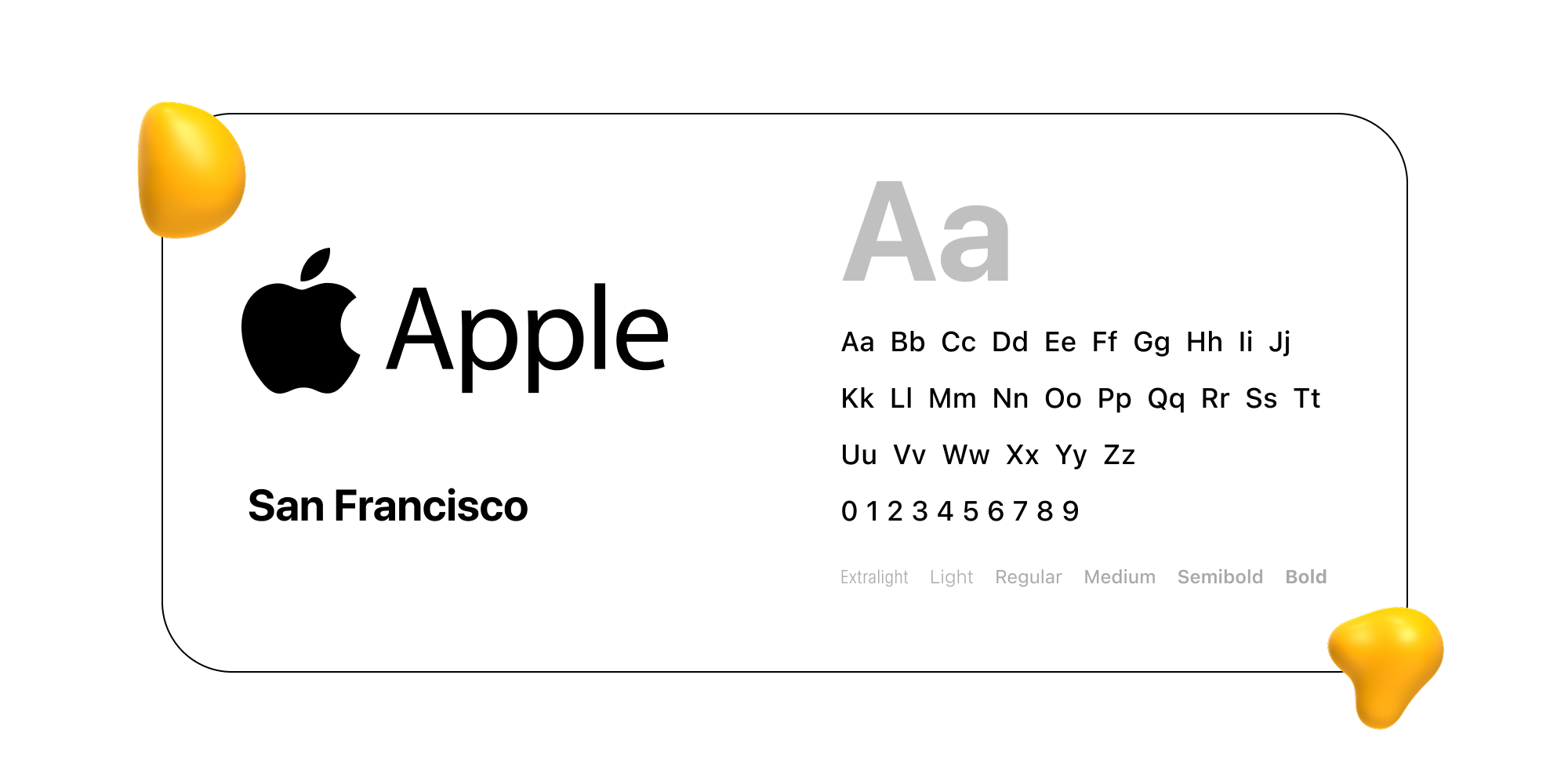
Built to be crisp, legible, and beautiful across millions of Retina screens, San Francisco is a masterclass in functional design.
In true Apple fashion, it’s typography engineered to feel invisible yet unmistakably iconic.
Takeaway: Fonts that prioritize clarity and usability can become part of a brand’s DNA.
2. Google – Product Sans / Google Sans
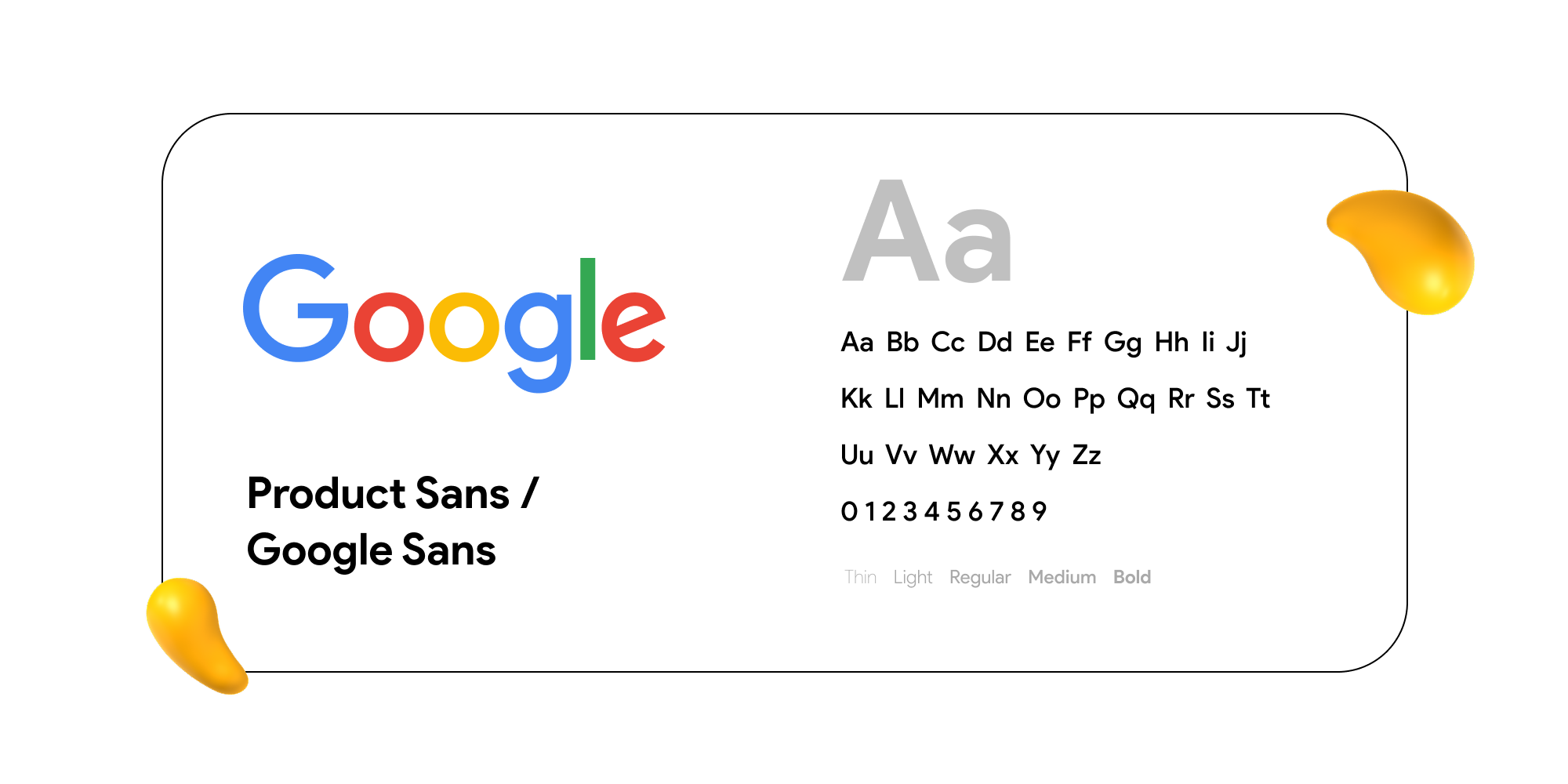
Geometric, approachable, and endlessly adaptable, Product Sans (later Google Sans) was designed to live comfortably everywhere, from a tiny search bar to a massive billboard.
Its clean and friendly style mirrors Google’s mission of simplicity and accessibility.
Takeaway: A custom font should scale seamlessly across all platforms while staying true to brand personality.
3. Netflix – Netflix Sans

Netflix created its own typeface to save millions in licensing fees, but the benefits went further.
Netflix Sans gave the platform a bold, cinematic feel, reflecting the confidence of an entertainment giant.
Takeaway: Custom fonts can cut costs while reinforcing a brand’s positioning.
4. Airbnb – Cereal

Cereal was designed to capture Airbnb’s mission of making everyone feel at home.
Friendly yet professional, it strikes a balance that builds trust while keeping the brand approachable. It became the glue uniting Airbnb’s global identity.
Takeaway: Typography can act as a brand’s emotional connector across cultures.
5. YouTube – YouTube Sans

Created to work seamlessly across video interfaces, mobile screens, and marketing assets, YouTube Sans is bold, modern, and highly functional.
It reinforces YouTube’s presence as both a media platform and a global brand.
Takeaway: Tailoring a typeface to your medium strengthens brand cohesion and user experience.
6. Martha Stewart – Archer
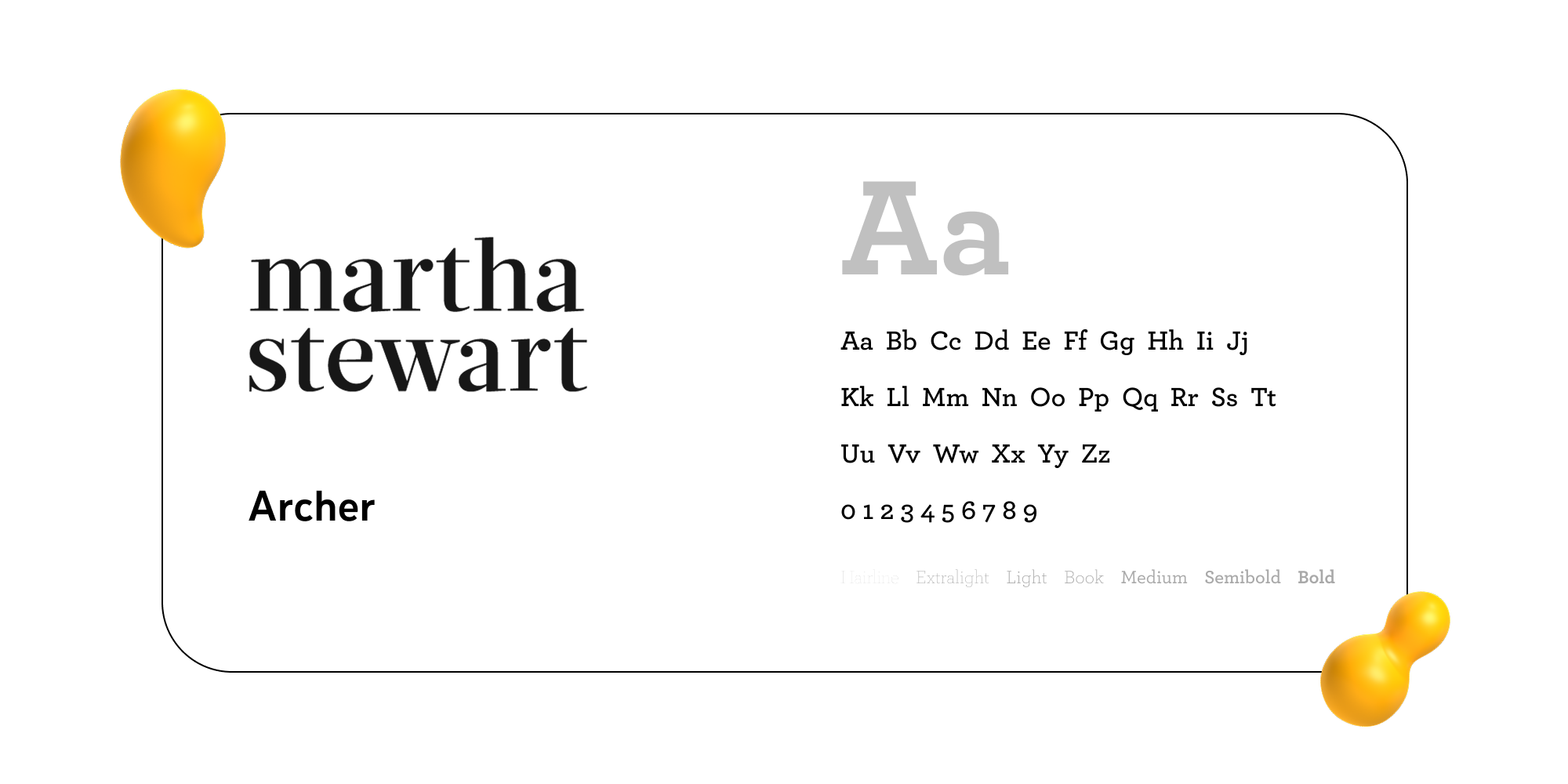
Commissioned from Hoefler & Co., Archer became closely tied to Martha Stewart’s identity.
The friendly slab-serif combines elegance with approachability, perfectly reflecting her lifestyle brand’s mix of aspiration and accessibility.
Takeaway: The right font can embody a brand’s personality as much as a logo or tagline.
7 Reasons Why Brands Invest in Custom Typography
Here are seven benefits of investing in custom typography:
1. Brand Identity and Personality
A custom font becomes part of a brand's DNA. Bold fonts communicate confidence; softer styles suggest warmth.
The right typography tells people who you are before a single word is even read. This is one of the core principles behind strong branding design.
2. Differentiation in a Crowded Market
In saturated industries, it’s tough to stand out.
Custom typography gives brands a distinct, ownable visual identity that competitors can’t replicate. It signals originality and authority, setting the brand apart at first glance.
From packaging to digital ads, differentiation through type can be the deciding factor in winning attention.
3. Consistency and Recognition
Custom typefaces ensure every brand touchpoint looks and feels the same — from mobile apps to billboards to product packaging.
Over time, consumers begin to associate the font itself with the brand, much like a logo or signature color palette.
Documenting that consistency is exactly what strong brand guidelines are designed to protect.
{{cd-led-team-an}}
4. Emotional Connection with Audiences
Typography has an almost subconscious influence on how people feel about a brand.
Fonts can feel playful, luxurious, approachable, or even serious.
By investing in a typeface designed around their values, brands create a stronger emotional connection with audiences.
In other words, the font becomes a silent brand ambassador that reinforces personality at scale.
5. Performance and Digital Optimization
Custom fonts can be engineered for function as much as form, optimized for screen legibility, mobile performance, and accessibility compliance.
A typeface built for your specific use cases enhances usability everywhere your brand shows up.
6. Ownership and Cost Savings
Developing an in-house font eliminates ongoing licensing fees and provides full exclusivity.
No competitor can legally use it.
That ownership also simplifies distribution and gives companies greater control over how their typography is applied.
7. Adaptability for Global Audiences
Brands with international reach need fonts that work seamlessly across languages and scripts.
Custom typography can be built to maintain a brand's look and feel whether customers are reading in English, Spanish, Arabic, or Mandarin.
Pair this with an awareness of current typography trends to stay ahead of where the field is heading.
4 Ways Custom Fonts Impact Performance and ROI
The right typeface can reduce costs, improve user experience, and strengthen brand equity, all while serving as a long-term investment in your identity.
Here’s how:
- Save on licensing costs: By owning the rights to their font, brands avoid ongoing fees and reduce long-term expenses.
- Better digital performance: Fonts built for screens improve readability and accessibility, making every interaction smoother.
- Boost brand recall: A distinctive typeface sticks in people’s minds, reinforcing recognition every time they see it.
- Carry brand personality: The right font captures a brand’s character, turning everyday text into a consistent voice.
How to Implement Custom Typography for Your Brand
While custom fonts can feel out of reach, brands of all sizes can benefit from smart typography choices.
Here are a few practical ways to approach it:
- Consider custom or semi-custom options: You don’t need to be Apple or Google — smaller brands can still benefit from bespoke typefaces.
- Look into alternatives: Explore exclusive licensing, custom weights, or subtle tweaks to existing typefaces if a full custom design isn’t realistic.
- Evaluate budget, maturity, and vision: Weigh these three factors before committing to a typography project to ensure the investment makes sense.
- Prioritize usability across platforms: Choose a typeface that remains legible and clear across screens, devices, and print.
- Plan for multilingual needs: If you serve international audiences, ensure your font supports multiple languages and scripts.
- Design with scalability in mind: Pick or create a typeface that can grow with your brand and adapt to future campaigns, platforms, and mediums.
Turn Fonts into Strategy with Designity’s Creative and marketing team
Famous brands prove that typography is strategy in addition to design.
Apple’s San Francisco font made text seamless across millions of screens.
Netflix created its own typeface to save millions and built cinematic confidence.
Martha Stewart’s use of Archer showed how fonts can balance elegance with approachability.
Each of these examples proves that typefaces can become just as iconic as logos or taglines.
But designing or refining your brand’s typography is easier with the right creative partner by your side.
With Designity’s Creative-as-a-Service model, you gain access to the top 1% of vetted creatives and marketers and a dedicated Creative Director who ensures your typography strengthens brand identity, consistency, and recognition across every channel.
Plus, you can choose from flexible subscription plans (monthly, quarterly, or annual) built to fit your needs.
Ready to make your typeface as powerful as your story?
Book a demo call today and explore 100+ creative services with a two-week trial (no upfront payment).
6 FAQs Related to Custom Typography
Here are the answers to some commonly asked questions about custom typography:
1. What Is Custom Typography?
Custom typography is a typeface designed exclusively for a single brand rather than using commercially available fonts.
It's built to reflect a brand's unique identity, tone, and use cases across all platforms.
2. Do You Need a Large Budget to Benefit from Custom Typography?
Not exactly.
While enterprise brands commission fully bespoke typefaces, smaller brands can benefit from semi-custom approaches, such as exclusive licensing or modified weights of existing fonts, at a much lower cost.
3. How Does Custom Typography differ from Using Free Fonts?
Free fonts are available to any brand, meaning competitors can use the same typeface.
Custom typography is exclusive to your brand, creating an ownable identity that can't be replicated.
4 Can Custom Typography Improve Digital Performance?
Yes, typefaces engineered for screen use can improve legibility, loading speed, and accessibility.
All of these elements can contribute to a better user experience and stronger brand perception.
5. Where Should a Brand Start if it Wants to Improve Its Typography?
Start with an audit of how your current typeface performs across platforms, then review your brand guidelines.
If typography documentation is missing or inconsistent, that is the first gap to close.
6. How Can Designity Help with Typography and Branding?
Designity gives you access to a Creative Director-led team that can help build a stronger, more consistent brand identity from the ground up.
Our top 1% global creatives and marketers can support everything from typography systems and font pairing to logo design, visual identity, brand guidelines, web design, campaigns, video, and print.
Instead of treating typography as a one-off design choice, Designity helps make it part of a cohesive branding system across every channel, all under one monthly plan.








.png)
